All Categories
Featured
Table of Contents
Some loans require collateral, such as your home or vehicle. A collateral loan might include lower rates, but you'll run the risk of losing your home if you fall behind on the payments. Financial obligation settlement includes negotiating with creditors to pay less than the total you owe. You can attempt to make these settlements yourself, or work with a financial obligation settlement company that works out on your behalf.
This can be an incredibly risky service for handling debt, so it is essential to understand the pros and cons: You'll acquire costs from your creditors and from the debt settlement firm, but there's a possibility of conserving money when it's all over with. While some financial institutions will not negotiate a settlement, others may accept a lump sum for just 50% of what you owe.
That might appear like permanently, but for some debtors this might indicate being debt totally free faster than if they paid off their complete financial obligation balances by themselves. Several consumer advocacy agencies warn people versus using debt settlement, including the Federal Trade Commission (FTC) and the Customer Financial Security Bureau (CFPB).
It can take as much as 3 years or more to conserve up sufficient cash for settlement deals, numerous consumers end up dropping out of their financial obligation settlement program before they have actually settled their debts. Debt settlement can harm your credit score just as much as filing insolvency, and settled debts will remain on your credit reports for 7 to 10 years.
Comparing Two Major Paths for Local Debt ReliefProven Strategies to Handle Over-Leveraged Debt
Financial obligation settlement companies claim they can get as much as 70% of your charge card debt forgiven, but the reality is that your financial institutions might decline to work with a debt settlement company. The IRS needs you to report forgiven debt of $600 or more as gross income, so you might need to pay more taxes after debt settlement.
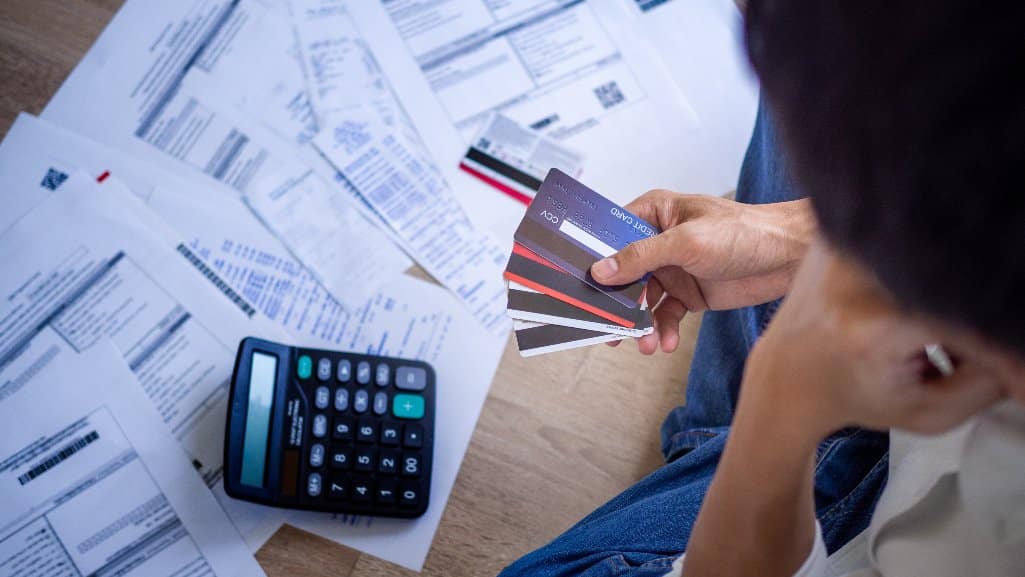
In addition to debt settlement, there may be other methods to have some of your financial obligation forgiven., or other special options from lenders who forgive financial obligation due to financial challenges.
Here are some of the pros and cons of going this path: If you get approved for a genuine loan forgiveness program, you could benefit from having actually debt forgiven. You'll likely still need to pay a few of it back, but the cost savings might be a huge financial assistance. Financial obligation forgiveness rip-offs have actually become progressively typical considering that the pandemic, specifically student loan rip-offs.
Comparing Two Major Paths for Local Debt ReliefIs Debt Consolidation Right Choice in 2026?
There's no guarantee that you'll certify to submit, but submitting for Chapter 7 bankruptcy could result in having your debts canceled, and a Chapter 13 bankruptcy could get you into a 3-5 year payment plan to eliminate financial obligation. Here's what you must think about:. Some debtors have no viable method to pay back all of their financial obligation.
, suggesting that lenders will be barred from making collection attempts on your financial obligations through phone calls and letters. When you file for bankruptcy your financial institutions must stop all foreclosure and repossession procedures.
Personal bankruptcy is among the most destructive events for your credit, and it remains on your credit reports for 7-10 years after you file. This could mean being denied brand-new loans and credit in the near future. You'll need to pay for a lawyer, plus court filing charges, paralegal fees, personal bankruptcy trustee costs and charges for the necessary customer counseling.
You don't have to work with a third-party to get debt-relief. Some choices for minimizing financial obligation could save you money and aid maintain your credit The best option for you might even include a combination of Do it yourself services, spending plan tools or funding alternatives.
Proven Strategies to Pay Down Interest Debt in 2026
There's no warranty that you'll certify to submit, but declaring Chapter 7 insolvency might lead to having your debts canceled, and a Chapter 13 bankruptcy might get you into a 3-5 year payment strategy to remove debt. Here's what you need to think about initially:. Some debtors have no practical way to pay back all of their financial obligation.
, suggesting that creditors will be disallowed from making collection efforts on your financial obligations through phone calls and letters. When you file for bankruptcy your financial institutions should stop all foreclosure and foreclosure proceedings.
Personal bankruptcy is one of the most harmful events for your credit, and it stays on your credit reports for 7-10 years after you submit. This could mean being rejected new loans and credit in the future. You'll need to spend for a lawyer, plus court filing fees, paralegal charges, insolvency trustee charges and fees for the necessary customer counseling.

You do not need to deal with a third-party to get debt-relief. In fact, some alternatives for minimizing debt could conserve you cash and help protect your credit The very best solution for you might even consist of a combination of DIY options, spending plan tools or financing options. Here are some of the important things you can do by yourself: Are you clear on where all your cash is going? If you don't keep track, there are most likely a load of expenditures you don't recognize are setting you back.

Latest Posts
Proven Ways to Lower 2026 Credit Card Debt
Navigating Urgent Financial Assistance for Struggling Families
How to Get 2026 Financial Hardship Help